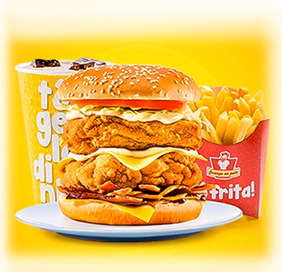
- Abundant flavors await within a delightful bon rush experience this season
- The Art of Flavor Profiles & Sensory Experience
- The Psychology of Indulgence
- Seasonal Sensations: Adapting to the Time of Year
- The Importance of Local Sourcing
- Beyond the Bite: Creating an Experience
- The Role of Storytelling
- The Future of Indulgence: Innovation and Trends
- Expanding the Palate: Experiential Dining & Paired Offerings
Abundant flavors await within a delightful bon rush experience this season
The anticipation builds with each passing day as whispers of a delightful sensorial experience circulate – a bon rush is on the horizon. This isn't just about indulging in something pleasant; it’s about fully immersing oneself in a wave of flavor, texture, and aroma, creating a moment of pure, unadulterated enjoyment. Whether it's a newly crafted confection, a limited-edition release, or a special seasonal offering, the promise of a bon rush lies in its ability to captivate the senses and elevate an ordinary moment into something truly memorable.
The concept transcends simple taste. It’s about the build-up, the expectation, and the satisfying release of a truly exceptional treat. The term implies an immediate and intense pleasure, a positive surge that delights and invigorates. It suggests more than mere deliciousness; it hints at artistry, meticulous crafting, and a dedication to quality that transforms a simple indulgence into an event. This year, connoisseurs and casual treat-lovers alike eagerly await the next opportunity to experience this captivating sensation.
The Art of Flavor Profiles & Sensory Experience
Creating a truly memorable experience, one that embodies the essence of a bon rush, relies heavily on the skillful integration of diverse flavor profiles. The most effective experiences aren’t limited to a single dominant taste, but rather orchestrate a symphony of sensations, beginning with the initial impact and evolving with each subsequent nuance. Consider, for instance, the interplay between sweetness, acidity, bitterness, saltiness, and umami. A perfect balance of these elements can create a depth and complexity that keeps the palate engaged. The use of aromatic compounds—derived from spices, herbs, fruits, and even floral extracts—further enhances the experience, evoking memories and triggering emotional responses.
Texture plays an equally crucial role. A smooth, creamy consistency can provide a luxurious mouthfeel, while a crunchy or brittle element introduces a contrasting sensation. The temperature of the experience is also significant. A chilled treat might be incredibly refreshing on a warm day, while a slightly warmer offering can enhance the release of aromatic compounds. Ultimately, the goal is to create a holistic sensory experience that is both stimulating and satisfying. Careful attention to detail in every aspect—from the visual presentation to the final flavor—is essential for achieving that elusive bon rush moment.
The Psychology of Indulgence
Beyond the purely physical sensations, there's a fascinating psychological component to the experience of delight. Our brains are wired to seek pleasure, and indulging in a delicious treat triggers the release of dopamine, a neurotransmitter associated with reward and motivation. This reinforces the behavior, making us want to repeat the experience. Furthermore, the anticipation of pleasure can be just as enjoyable as the actual indulgence itself. The build-up of expectation can heighten our senses and increase our overall enjoyment. The context in which we consume a treat also influences our perception of it. Sharing a delightful experience with loved ones, or savoring it in a beautiful setting can amplify the positive emotions associated with it.
| Flavor Category | Key Components |
|---|---|
| Sweetness | Sugars, honey, fruit extracts |
| Acidity | Citrus fruits, vinegar, tart berries |
| Bitterness | Dark chocolate, coffee, hops |
| Saltiness | Sea salt, pretzels, salted caramel |
Understanding these psychological factors can help creators design experiences that are even more impactful. By carefully considering the environment, the presentation, and the overall narrative, they can elevate a simple treat into a truly memorable and emotionally resonant moment.
Seasonal Sensations: Adapting to the Time of Year
The most captivating experiences often align with the seasons, utilizing ingredients that are at their peak freshness and appeal to the current mood. A bon rush in the spring might feature light, floral flavors such as rosewater, lavender, or elderflower, combined with fresh berries and a delicate pastry crust. Summer calls for refreshing, fruity treats – think mango sorbet, peach cobbler, or key lime pie. The warmth of autumn lends itself to richer, more comforting flavors, like spiced apple, pumpkin pie, or pecan praline. Winter demands indulgence, with decadent chocolate creations, peppermint bark, and warming spices like cinnamon and nutmeg.
The ability to adapt and innovate with seasonal ingredients is a hallmark of true culinary artistry. It demonstrates a commitment to quality and a deep understanding of how flavors evolve throughout the year. It also allows for a greater sense of novelty and excitement, keeping the experience fresh and appealing. Furthermore, seasonal ingredients often have a stronger flavor profile, as they are harvested at their peak ripeness. This translates to a more intense and satisfying experience for the consumer. This dynamic relationship between seasonality and flavor is crucial for continuing to deliver a captivating sensory encounter.
The Importance of Local Sourcing
Where possible, prioritizing locally sourced ingredients enhances both the quality and the sustainability of a delightful experience. Working with local farmers and producers ensures that ingredients are as fresh as possible, reducing transportation costs and supporting the local economy. It also allows for a greater degree of control over the quality and origin of the ingredients. Locally sourced ingredients often have a unique terroir – a sense of place – that adds to their character and complexity. This can be particularly important for ingredients like honey, fruit, and nuts, where the local climate and soil conditions can have a significant impact on the flavor.
- Emphasize freshness through local sourcing.
- Support regional farmers and producers.
- Highlight unique terroir and flavor profiles.
- Reduce the environmental impact of transportation.
Transparency in sourcing is also becoming increasingly important to consumers. They want to know where their food comes from and how it was produced. By being open about their sourcing practices, creators can build trust with their customers and demonstrate their commitment to quality and sustainability.
Beyond the Bite: Creating an Experience
A truly memorable experience extends beyond the taste and texture of the food itself. It encompasses the entire journey, from the first encounter to the lingering aftertaste. This includes the packaging, the presentation, and the overall ambiance. The packaging should be visually appealing and reflect the quality of the product. It should also be practical and protect the product during transportation. Presentation is equally important. A beautifully plated dessert or a thoughtfully arranged selection of treats can enhance the overall experience. The ambiance of the environment in which the treat is consumed also plays a role. Soft lighting, comfortable seating, and pleasant music can all contribute to a more relaxing and enjoyable experience.
The element of surprise can also add to the excitement. Consider incorporating unexpected textures, flavors, or garnishes. A touch of edible gold leaf, a sprinkle of exotic spices, or a hidden layer of contrasting flavor can all create a moment of delight. Interactive elements can also enhance the experience, such as allowing customers to customize their treats or participate in a tasting event. The key is to create a multi-sensory experience that engages all of the senses and leaves a lasting impression.
The Role of Storytelling
Crafting a compelling narrative around a product can help to connect with customers on a deeper emotional level. Share the story of the ingredients, the inspiration behind the creation, or the people who make it possible. These narratives add depth and meaning to the experience and make it more memorable. Transparency about the creation process can also build trust with consumers. Highlighting the craftsmanship, the attention to detail, and the passion that goes into making a delightful treat can appeal to those who appreciate quality and authenticity. The story should be integrated into all aspects of the experience, from the packaging to the marketing materials to the in-store presentation.
- Develop a captivating brand story
- Highlight the origin and quality of ingredients
- Showcase the artistry and craftsmanship involved
- Connect with customers on an emotional level
Authenticity is key. Customers can easily spot insincerity. Be genuine in your storytelling and focus on what makes your creation unique and special. A well-crafted story can elevate a simple indulgence into an unforgettable experience.
The Future of Indulgence: Innovation and Trends
The world of flavor is constantly evolving, with chefs and food scientists continually pushing the boundaries of what’s possible. New techniques, such as molecular gastronomy and fermentation, are opening up exciting new avenues for flavor exploration. Consumers are also becoming more adventurous and demanding, seeking out unique and innovative experiences. The demand for healthier indulgence options is also growing, with consumers looking for treats that are lower in sugar, fat, and calories, but still deliver on flavor.
Sustainability is another major trend. Consumers are increasingly concerned about the environmental impact of their food choices and are looking for products that are produced in a responsible and ethical manner. This includes sourcing ingredients from sustainable farms, reducing food waste, and using eco-friendly packaging. The fusion of global cuisines is also continuing to drive innovation, with chefs drawing inspiration from diverse culinary traditions to create exciting new flavor combinations. Adaptability to changing consumer preferences will dictate success in the future of the space.
Expanding the Palate: Experiential Dining & Paired Offerings
The concept of a bon rush doesn’t need to be confined to a single treat. It naturally expands into the realm of experiential dining, where a curated multi-course meal is designed to take diners on a journey of flavor. This might involve carefully selected wine or beverage pairings designed to complement and enhance each dish, or perhaps a themed menu that tells a story through food. This holistic approach to dining elevates the entire experience, creating a memorable occasion that engages all of the senses. The success of these offerings hinge on perfect synergy between food, drink, and ambiance.
Looking beyond the restaurant, we see exciting developments in home-based experiences. Subscription boxes delivering artisanal treats, carefully curated tasting kits, and even virtual cooking classes offer consumers the opportunity to recreate the bon rush sensation in the comfort of their own homes. This trend reflects a growing desire for personalized and immersive experiences, as well as a willingness to invest in quality and convenience. The possibilities for innovation in this space are virtually limitless, and we can expect to see even more creative and engaging offerings emerge in the years to come.